The Divide | Unreal Engine 5 Cinematic
The Project
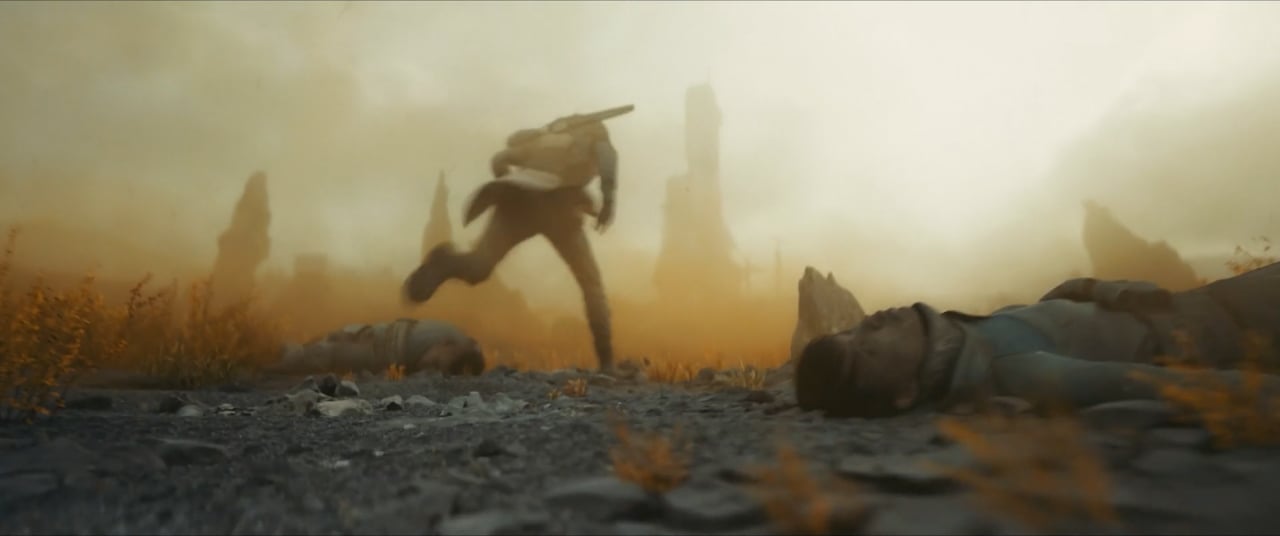
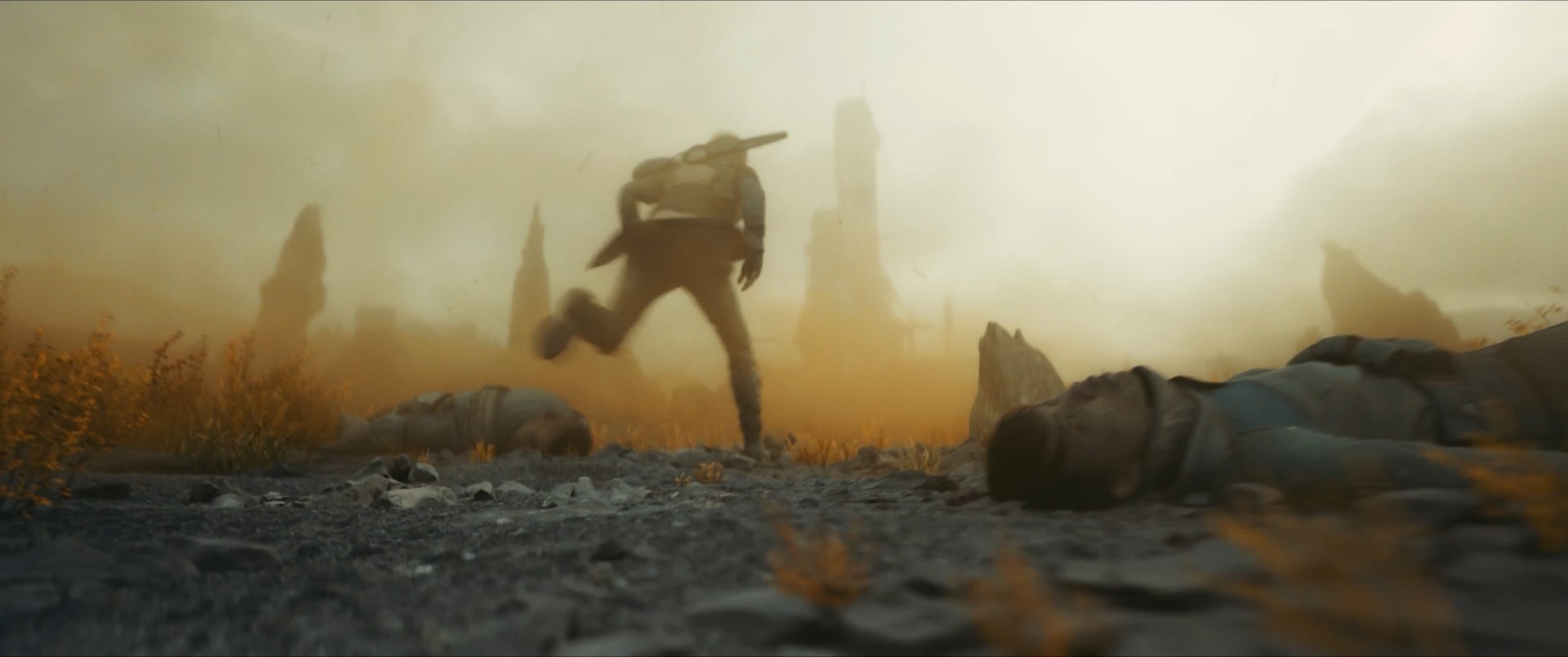
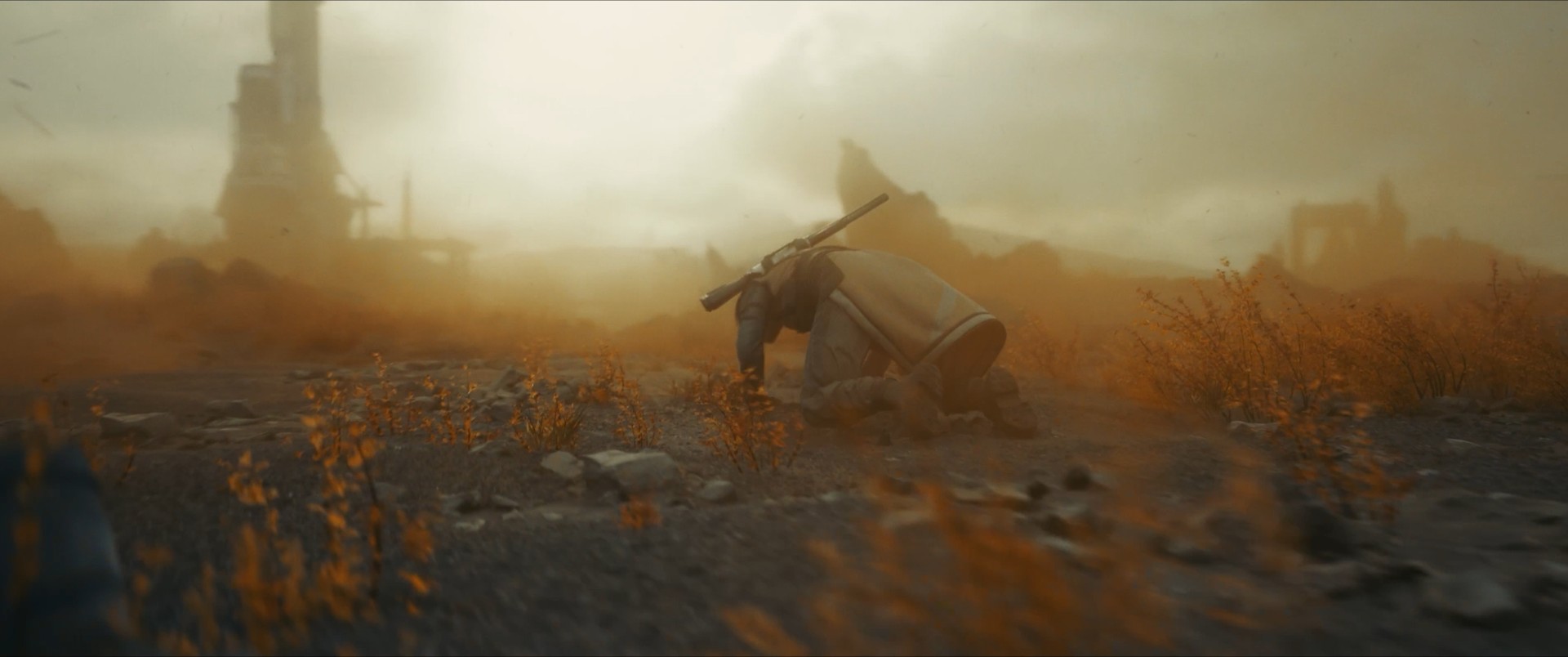
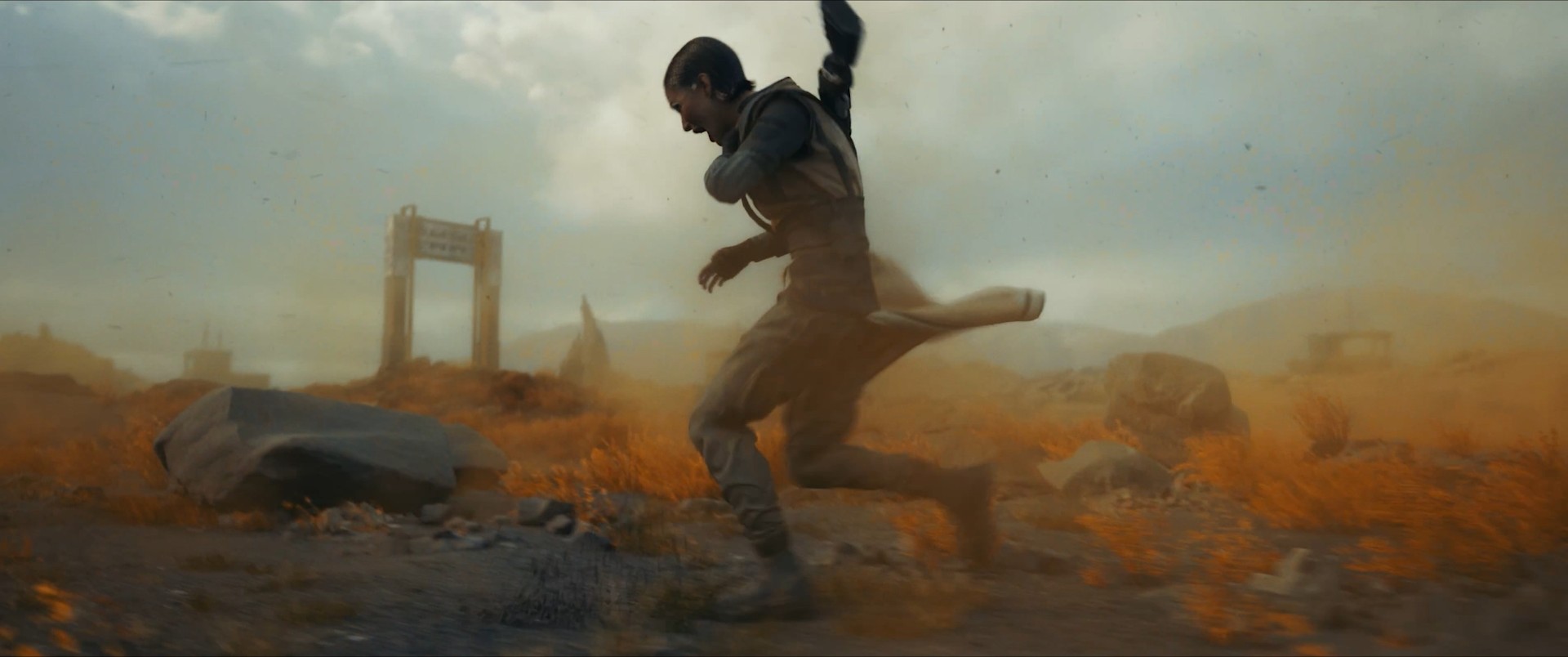
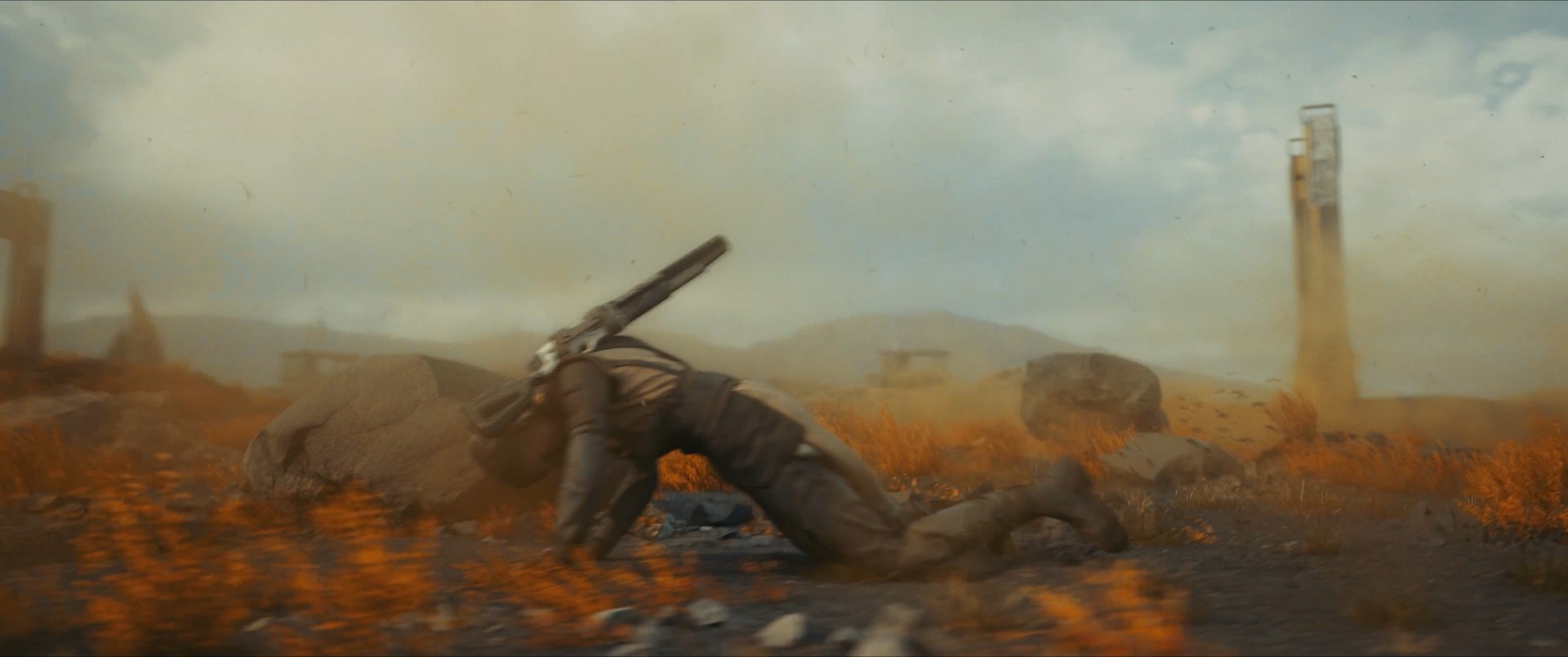
Back in late 2025, we needed to create a short teaser for one of Parallel's projects. The idea was to hint at information without diving too deep in the game's lore and world. The goal was clear: showcase the danger, add a poison cloud that appears randomly — classical extraction shooter mechanic — and the fact that as an extraction shooter, the players would escape to the ship in the sky: The Sanctuary....
Back in late 2025, we needed to create a short teaser for one of Parallel's projects. The idea was to hint at information without diving too deep in the game's lore and world. The goal was clear: showcase the danger, add a poison cloud that appears randomly — classical extraction shooter mechanic — and the fact that as an extraction shooter, the players would escape to the ship in the sky: The Sanctuary.
- Direction — Mobo Boehme
- Art Direction — Oscar Mar / Mobo Boehme
- Previz & Layout — Mobo Boehme
- Production Manager — Tommy Alvarez
- Concept Art — Nacho Yagüe
- Character Artist — Matt Corcoran / Brady Parell
- Environment & Props — Lluis Andreu
- Lighting — Mobo Boehme
- Animation Lead — Craig Johnston
- VFX — Mobo Boehme
- OST — CYPHER
- Color Script / Grading — Oscar Mar
- Edit — Mobo Boehme
- Produced by — Parallel //
Concept Art
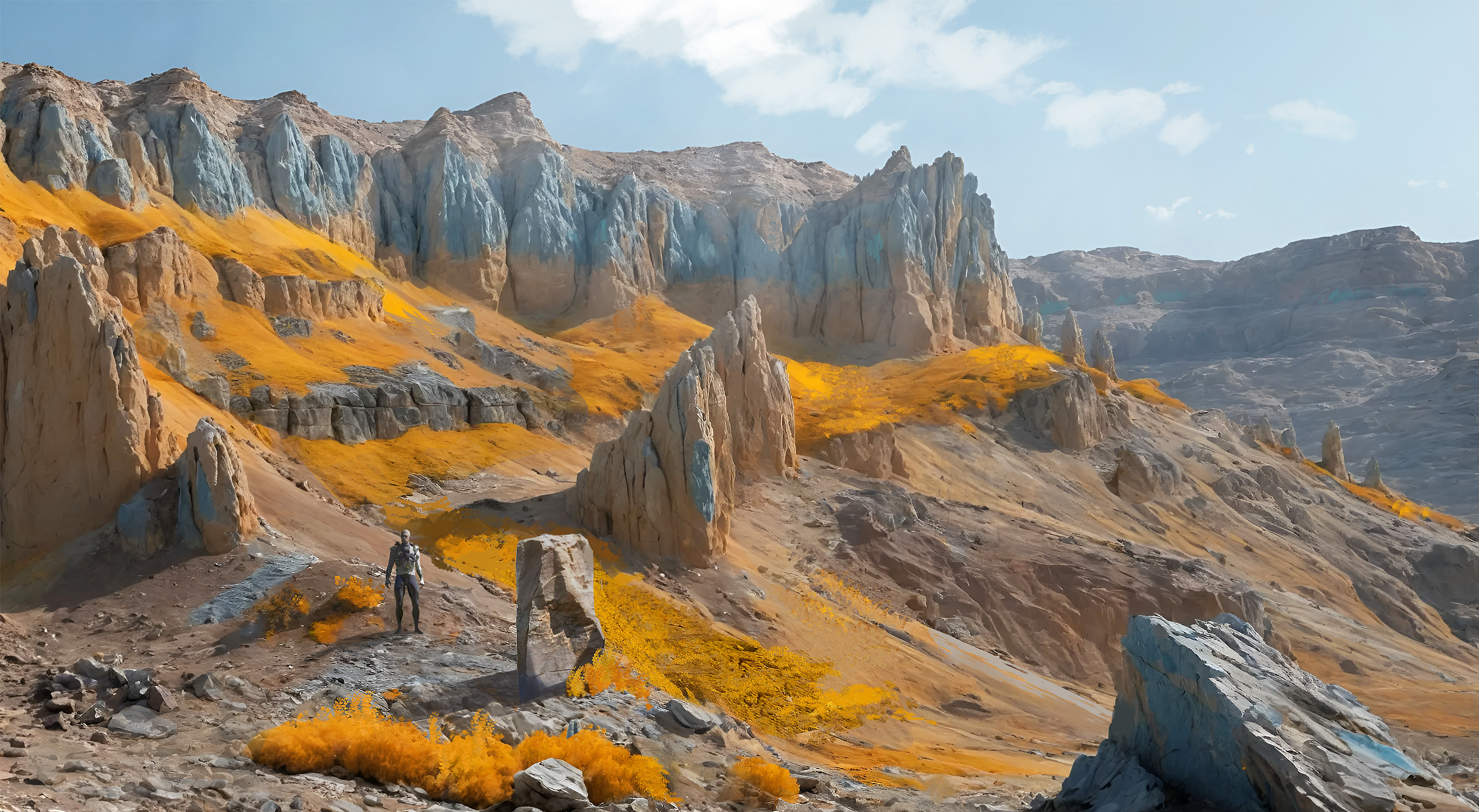
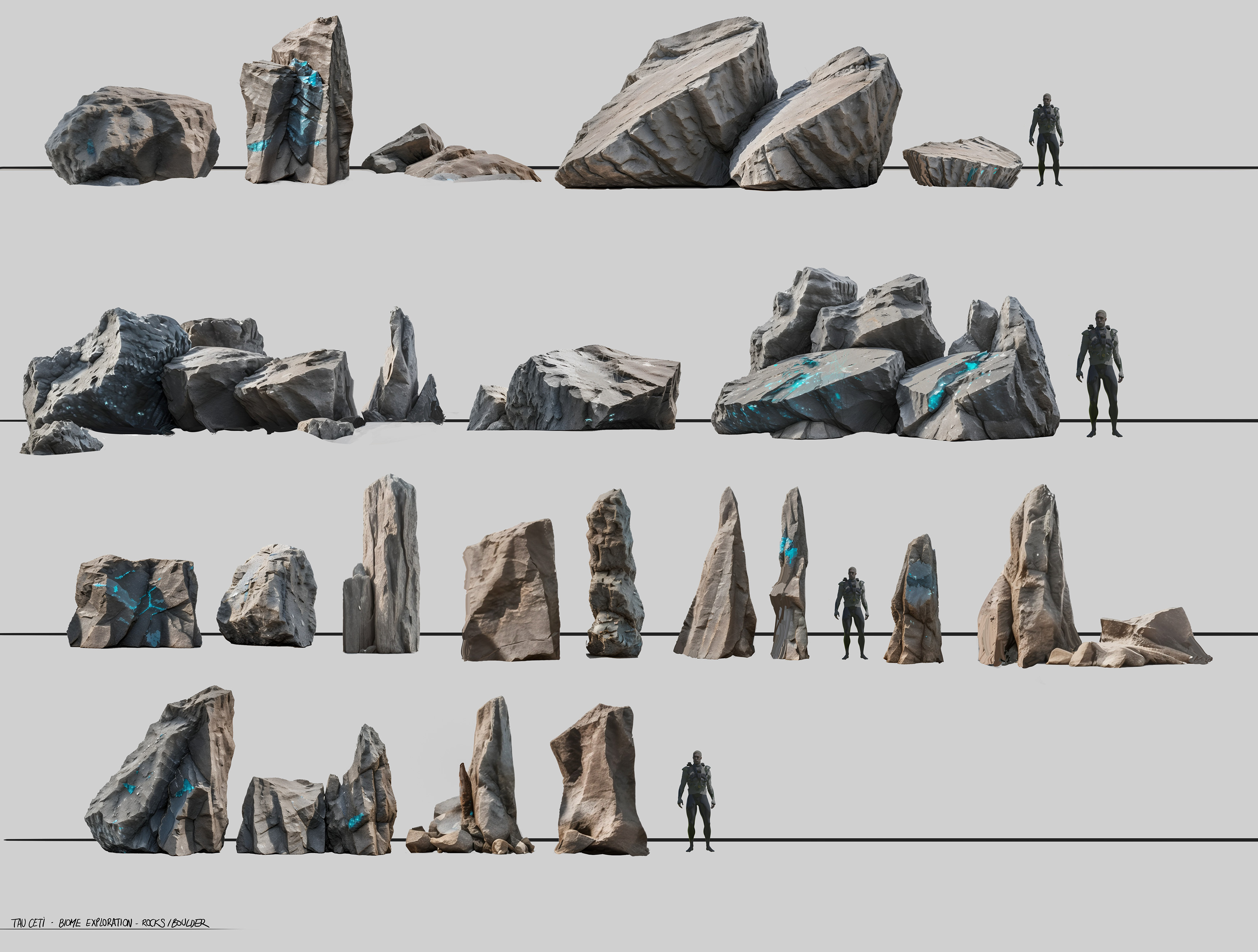
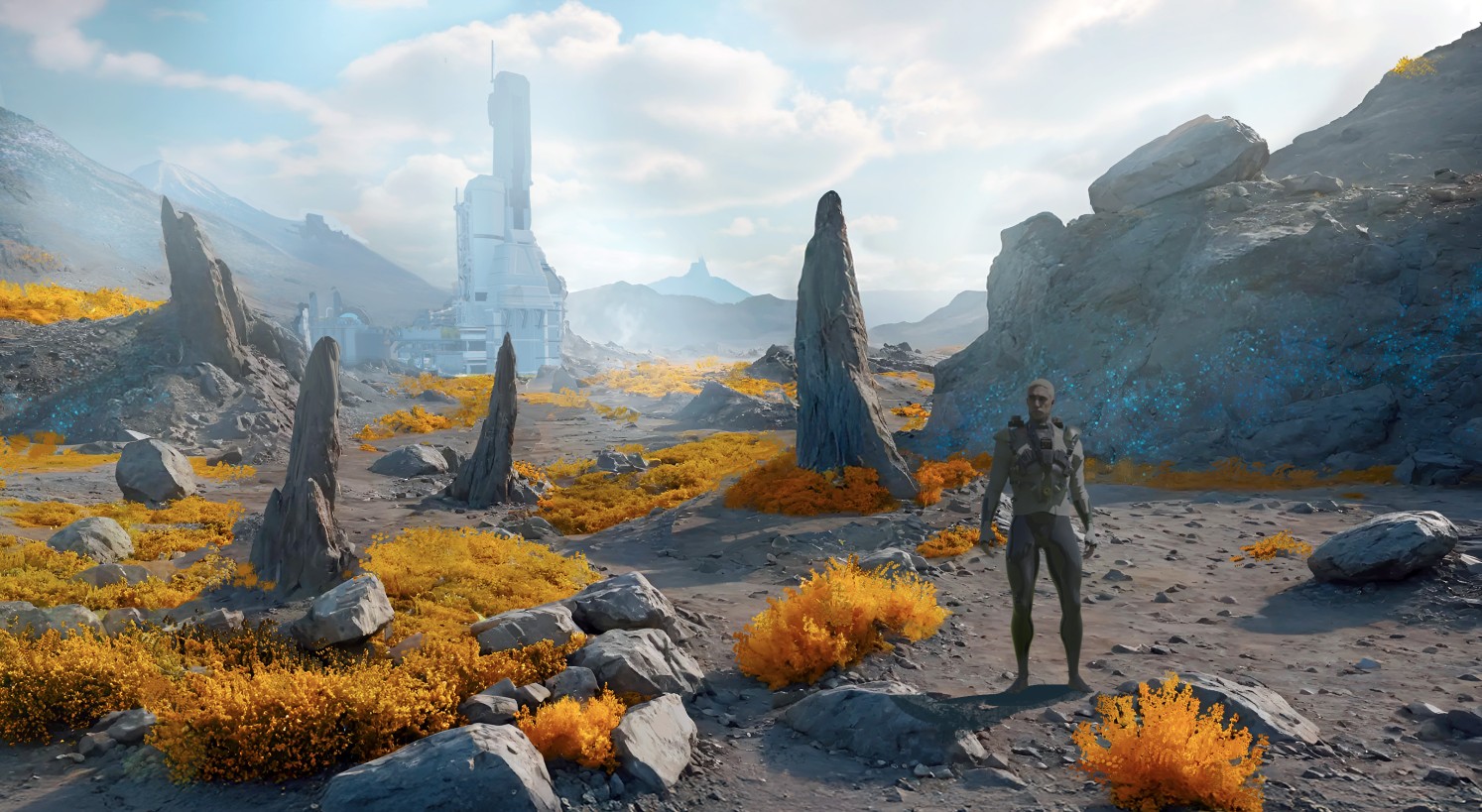
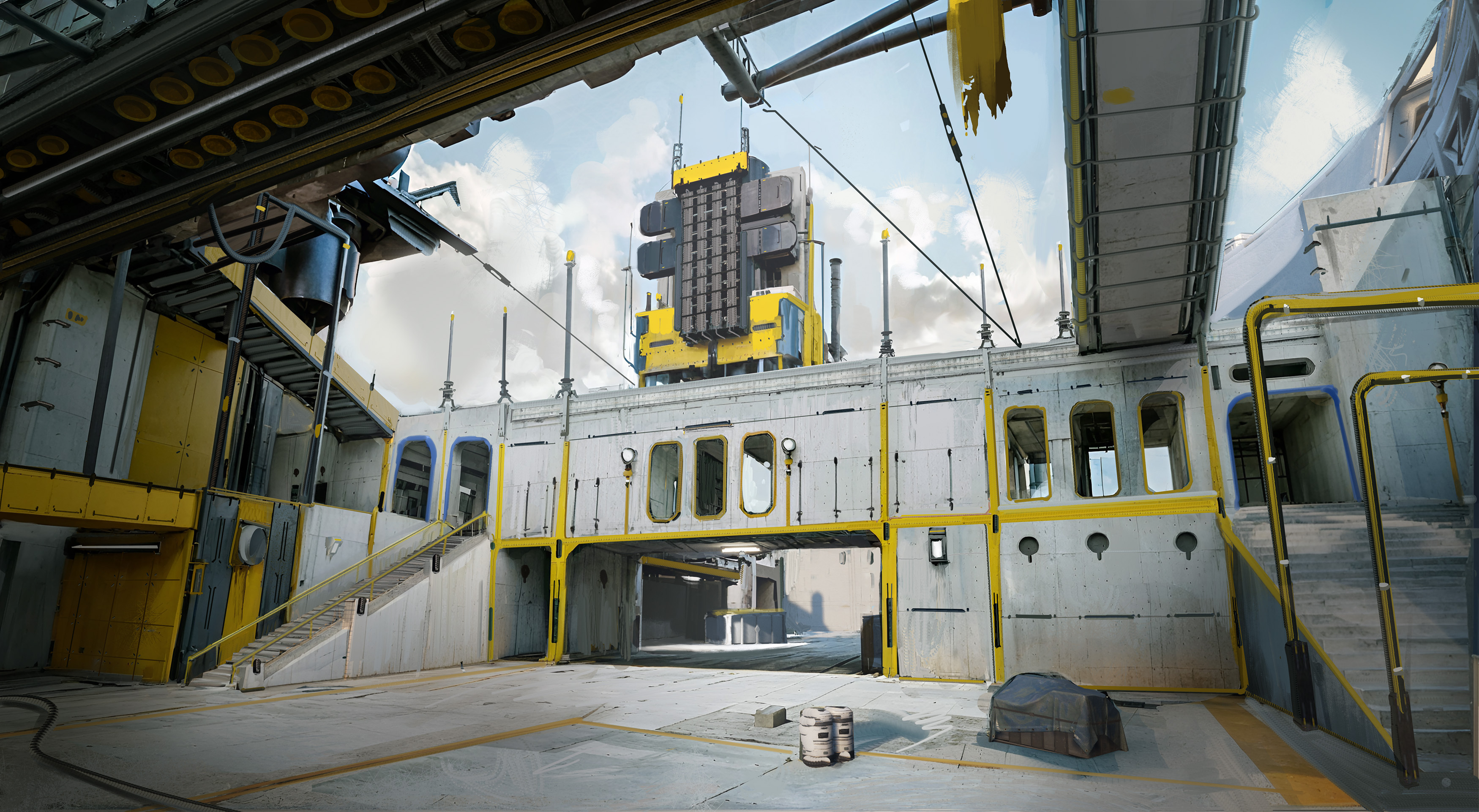
Nacho Yagüe was in charge of the beautiful landscapes.
It was quite a challenge, as the focus was to give to the colors and mood something that would feel odd, without being too stylized, and without falling into territory. It also needed to feel grounded on Earth, but feel also alien enough to situate the viewer on a place that wouldn't be exactly Earth as we know it....
Nacho Yagüe was in charge of the beautiful landscapes.
It was quite a challenge, as the focus was to give to the colors and mood something that would feel odd, without being too stylized, and without falling into territory. It also needed to feel grounded on Earth, but feel also alien enough to situate the viewer on a place that wouldn't be exactly Earth as we know it.
Characters
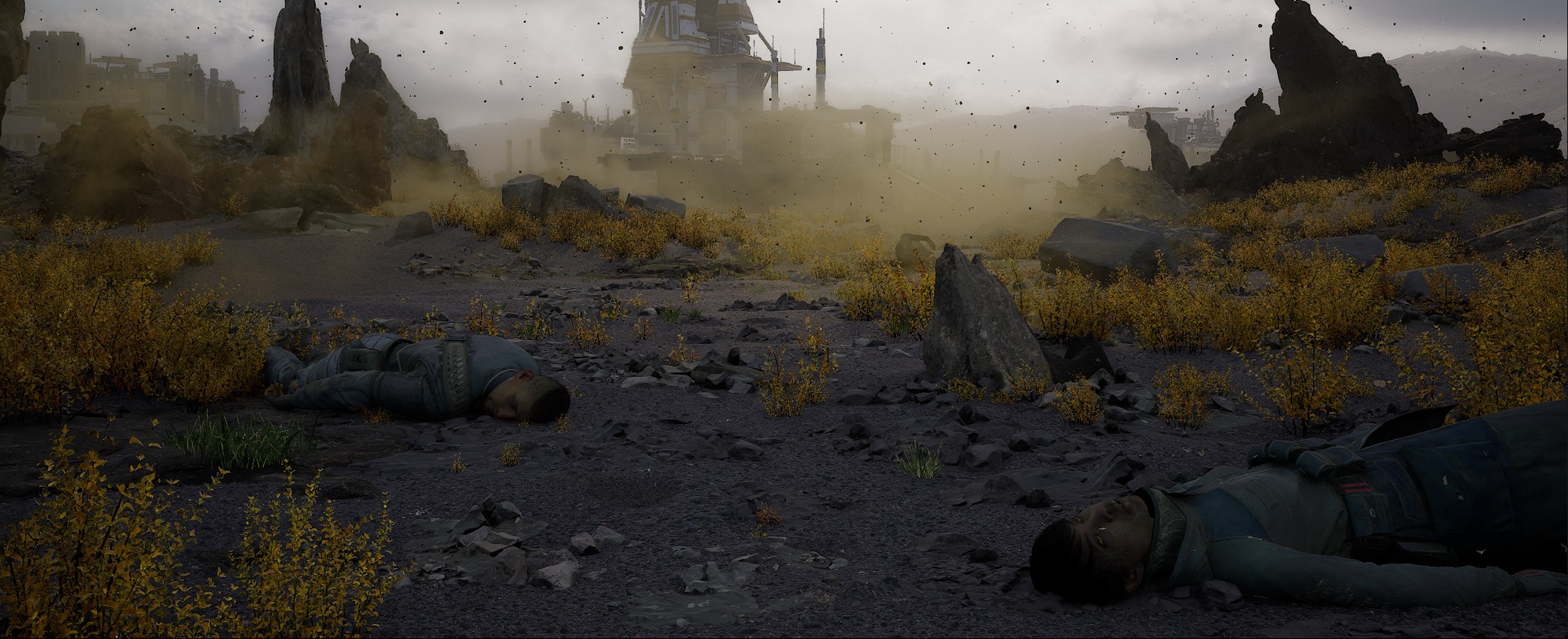
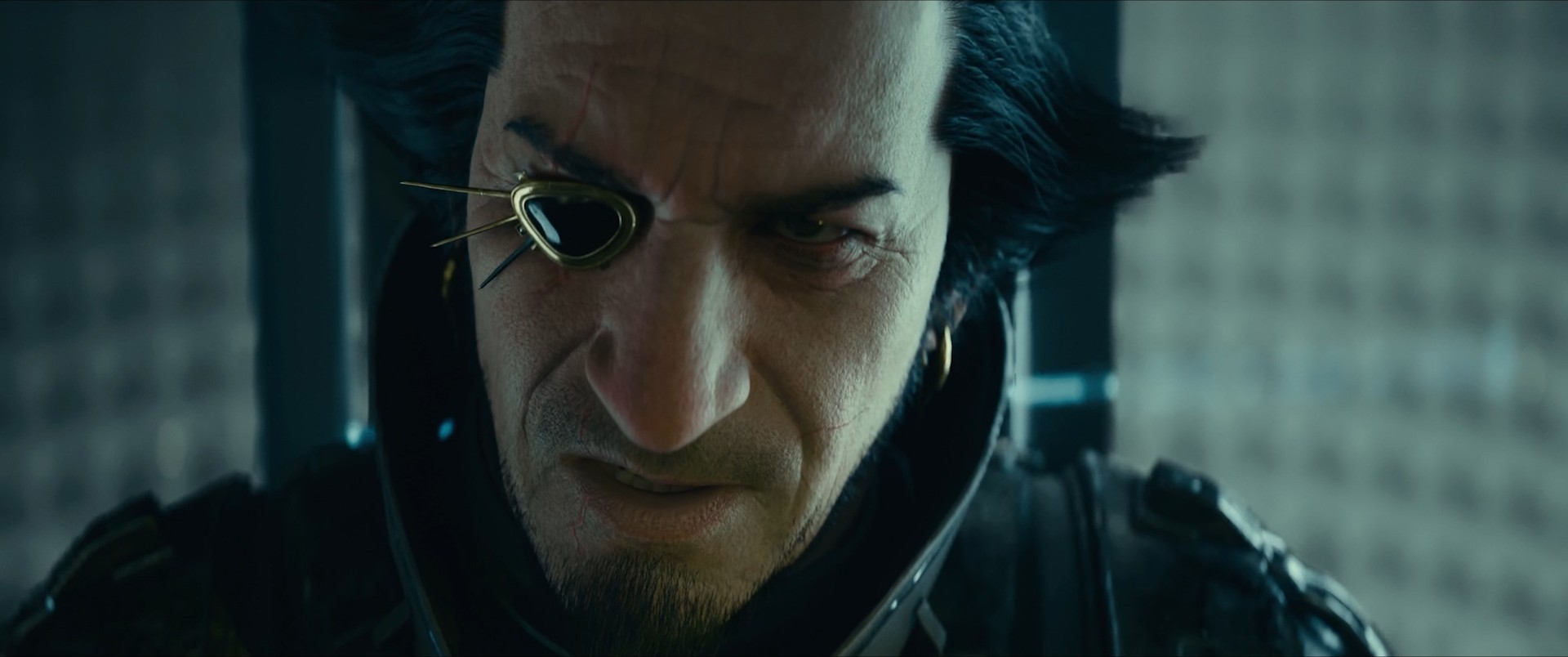
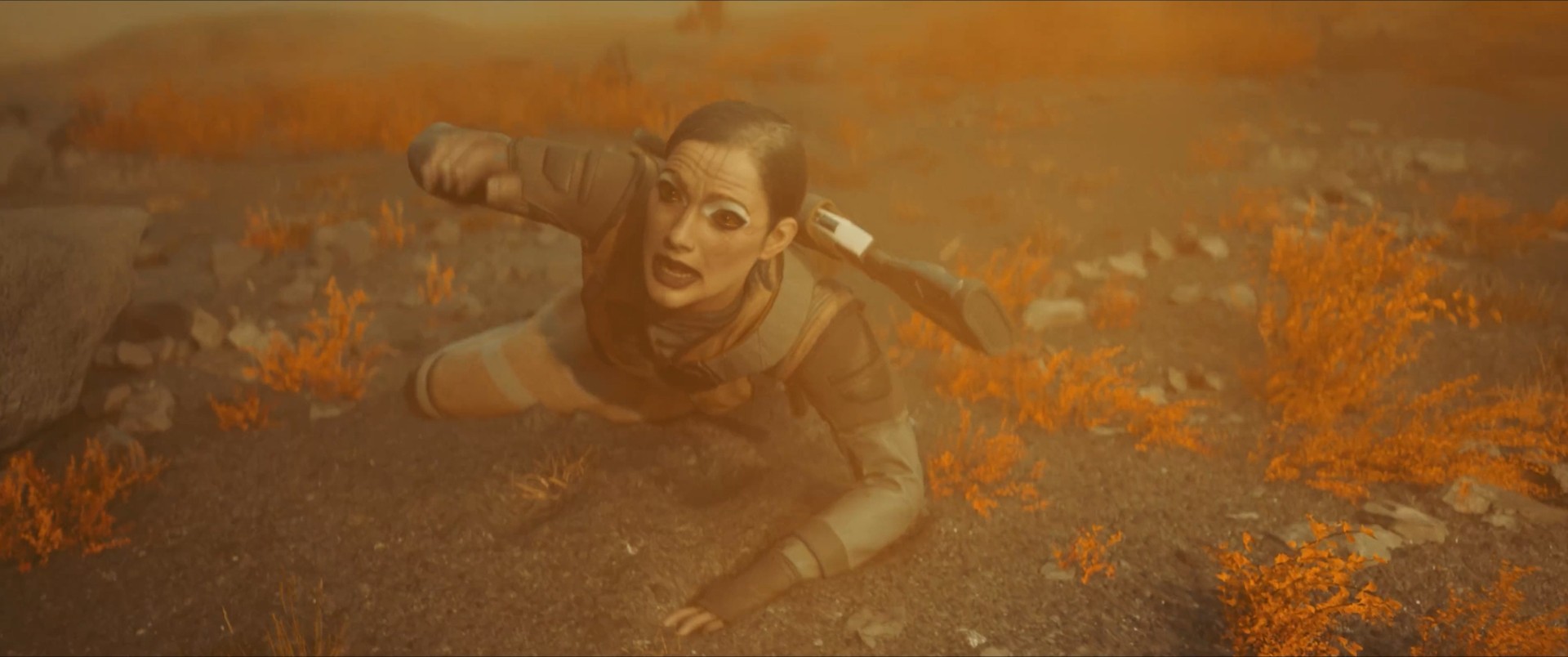
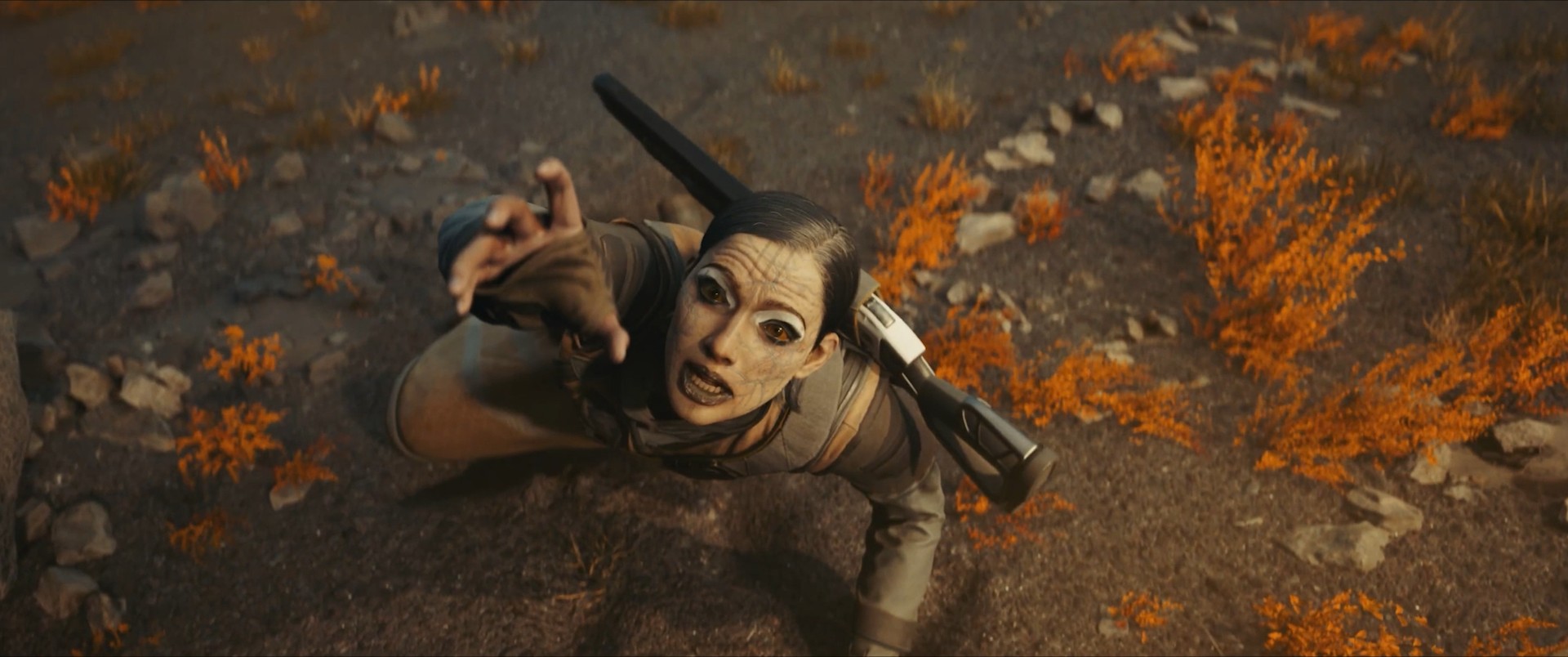
On Parallel's cinematics, the main characters were brought to life by the extremely talented Matt Corcoran and Brady Parell. They are real masters, and when it comes to customizing MetaHumans and their textures, you need someone like them on board. The good news was that even on a tight deadline, they were able to dedicate most of this project's time purely to improving MetaHuman quality, since the models and textures had already been produced for previous projects....
On Parallel's cinematics, the main characters were brought to life by the extremely talented Matt Corcoran and Brady Parell. They are real masters, and when it comes to customizing MetaHumans and their textures, you need someone like them on
board. The good news was that even on a tight deadline, they were able to dedicate most of this project's time purely to improving MetaHuman quality, since the models and textures had already been produced for previous projects.
Environment
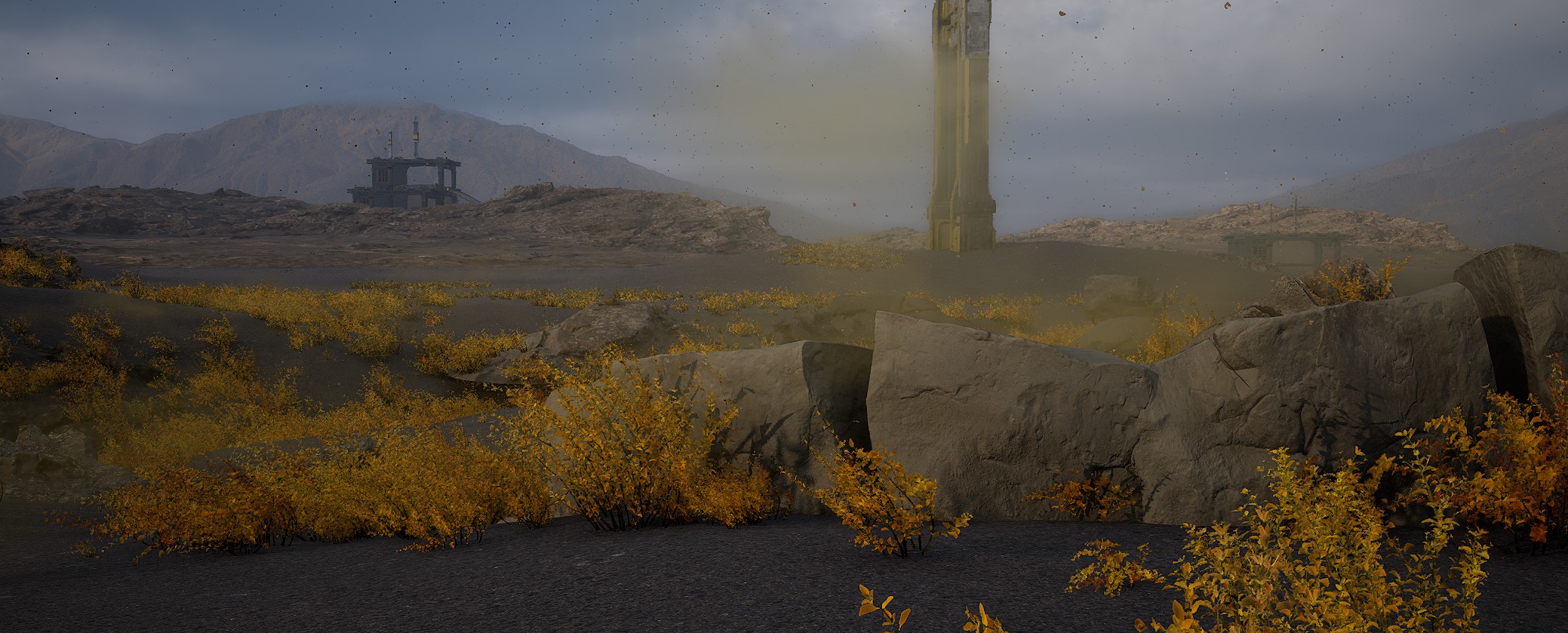
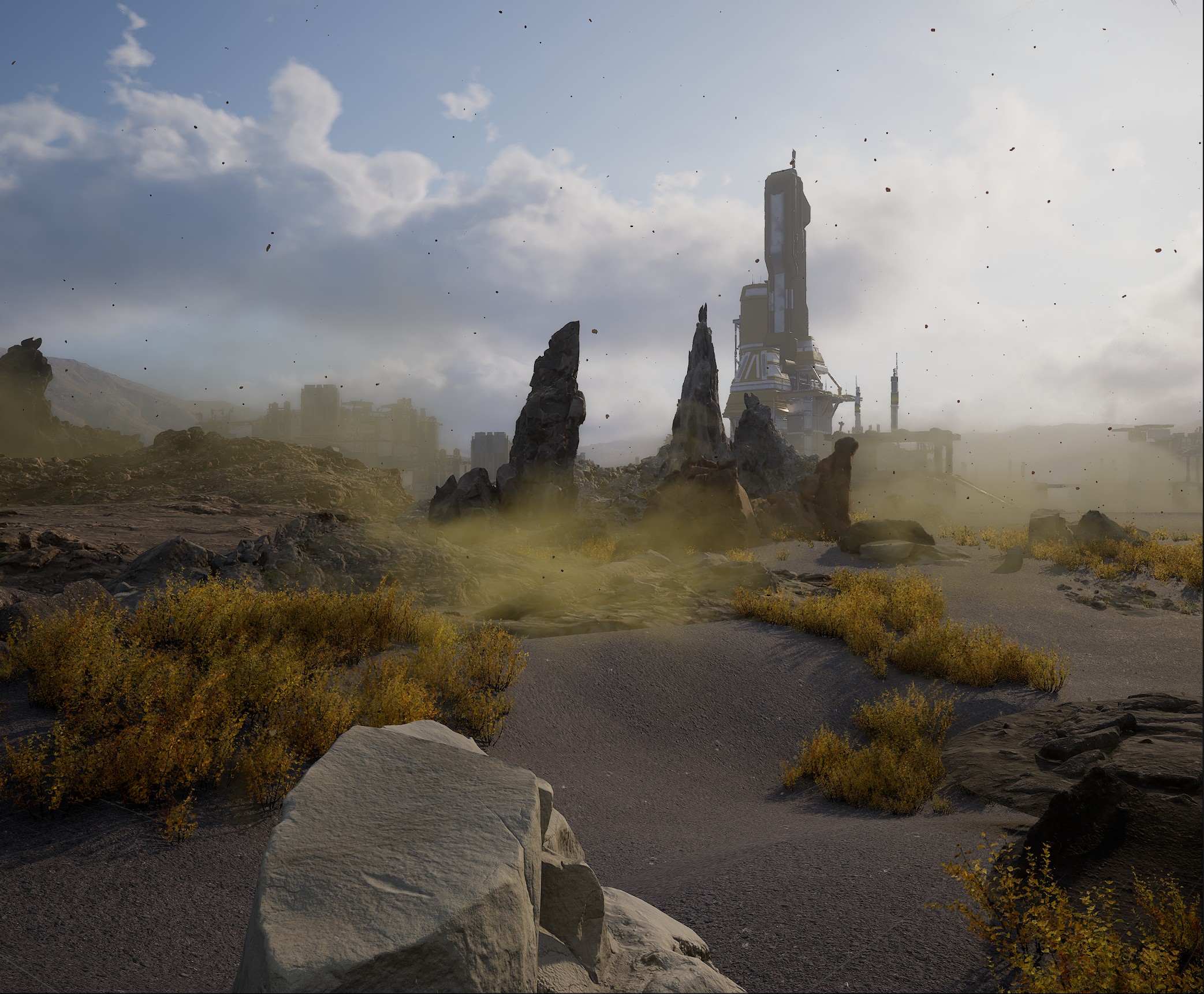
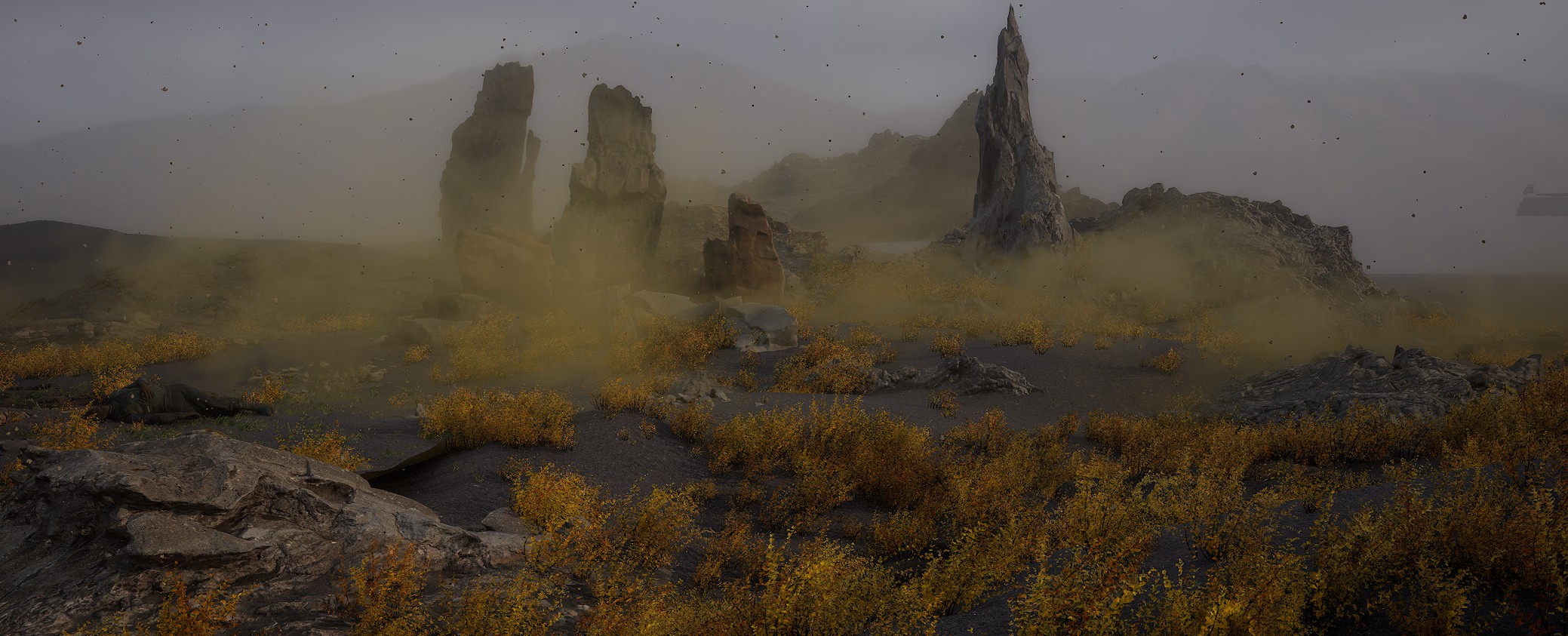
Assembling the environment for this one was pretty straight forward. I created the mountain ranges in Gaea and worked with them directly in Unreal Engine 5, leveraging Nanite's performance strength. It allowed me to move them in the shot easily and focus on composition and mood. The poison cloud was created inside Unreal Engine using VDBs and Niagara Fluids....
Assembling the environment for this one was pretty straight forward. I created the mountain ranges in Gaea and worked with them directly in Unreal Engine 5, leveraging Nanite's performance strength. It allowed me to move them in the shot
easily and focus on composition and mood. The poison cloud was created inside Unreal Engine using VDBs and Niagara Fluids.
The Sanctuary
For the final shot, I wanted to save some production time and avoid a full matte painting projection. In order to achieve the effect of a massive spaceship at stratosphere level, I just created a very simple shader that would fake the effect. Having that just projected as a matte with some opacity on a plane, really made it possible for me to focus on integration and proportions without any performance impact....
For the final shot, I wanted to save some production time and avoid a full matte painting projection. In order to achieve the effect of a massive spaceship at stratosphere level, I just created a very simple shader that would fake the
effect. Having that just projected as a matte with some opacity on a plane, really made it possible for me to focus on integration and proportions without any performance impact.
VFX
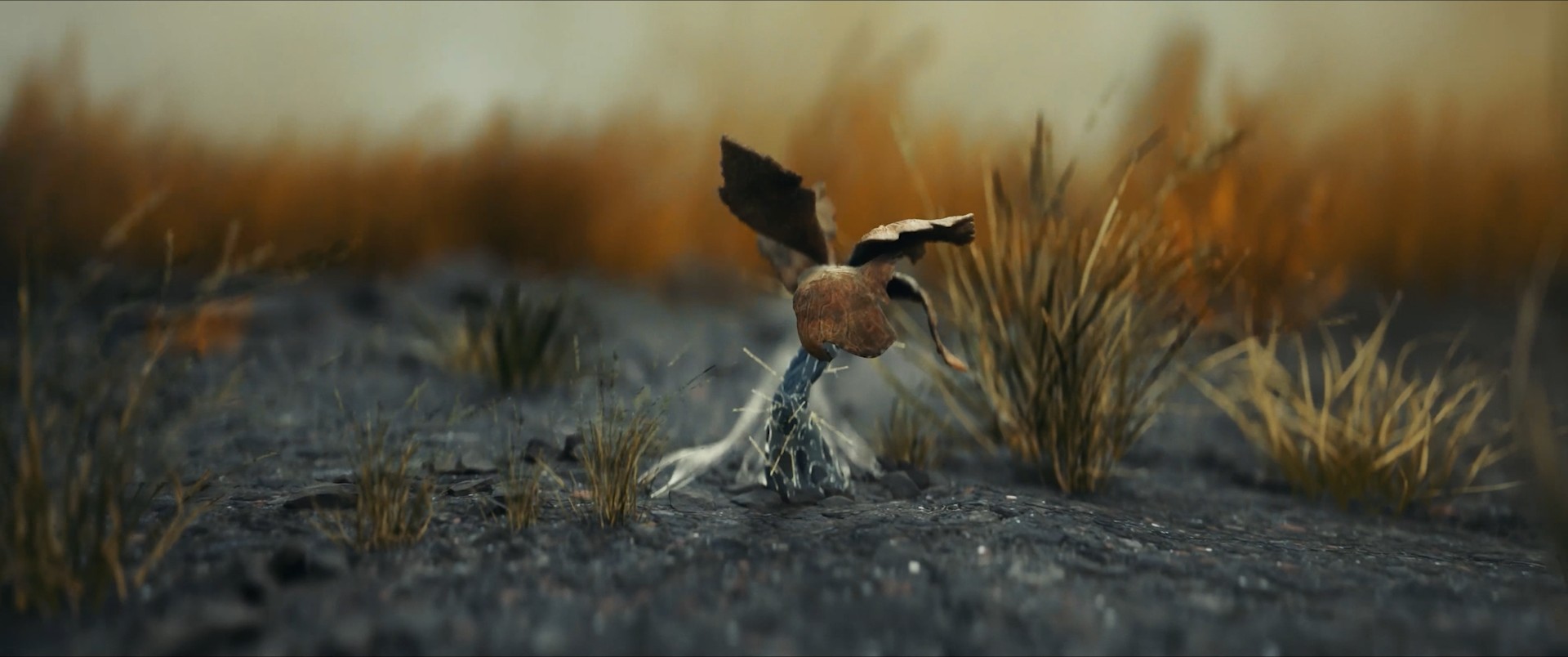
Probably one of the most challenging aspects of this project was the fact that I would need to go deep into the VFX field. Since it was a single sequence shot, the attention to detail was key for evoking something epic and believable. I needed to explore and blend all the effects: cloth simulations, grain simulations and grain deforms, and integrate that properly with the Niagara systems and Alembic workflows in Unreal Engine. On these situations is where Houdini shines, not only for the power of the software, but for how seamlessly it handles import/export and non-destructive workflows between different softwares....
Probably one of the most challenging aspects of this project was the fact that I would need to go deep into the VFX field. Since it was a single sequence shot, the attention to detail was key for evoking something epic and believable.
I needed to explore and blend all the effects: cloth simulations, grain simulations and grain deforms, and integrate that properly with the Niagara systems and Alembic workflows in Unreal Engine. On these situations is where Houdini
shines, not only for the power of the software, but for how seamlessly it handles import/export and non-destructive workflows between different softwares.
Animation
Animation was also a very experimental part. I created a mix of hand-keyed animation using Cascadeur software, and I was blown away by the results. We originally thought about using a mocap solution for this one, but it was great to see how easy it was to iterate when exporting from Cascadeur directly into the scene.
The facial animation was captured with an iPhone and using MetaHuman Animator, and it was recorded after the body animation. While this setup isn't ideal, after polishing some of the timing and correcting keyframes, it did the trick....
Animation was also a very experimental part. I created a mix of hand-keyed animation using Cascadeur software, and I was blown away by the results. We originally thought about using a mocap solution for this one, but it was great to see how easy it was to iterate when exporting from Cascadeur directly into the scene.
The facial animation was captured with an iPhone and using MetaHuman Animator, and it was recorded after the body animation. While this setup isn't ideal, after polishing some of the timing and correcting keyframes, it did the trick.
// Thanks for watching
