Disney Speedstorm: Vehicles
The Project
During my time at Gameloft Barcelona, I had the privilege of working on Disney Speedstorm as Lead Concept Artist and later as Associate Art Director.
Early in the project, Art Director Nacho Yagüe entrusted me with a key challenge: defining the visual language and art direction for the vehicles. We had complex gameplay needs to balance: we needed to highlight the characters, inject realistic details and treat each car as a character in its own right. Every one of them had to feel unique and deeply connected to each Disney IP. They also needed to be extremely readable from different distances, and recognizable instantly for the players....
During my time at Gameloft Barcelona, I had the privilege of working on Disney Speedstorm as Lead Concept Artist and later as Associate Art Director.
Early in the project, Art Director Nacho Yagüe entrusted me with a key challenge: defining the visual language and art direction for the vehicles. We had complex gameplay needs to balance: we needed to highlight the characters, inject realistic details and treat each car as a character in its own right. Every one of them had to feel unique and deeply connected to each Disney IP. They also needed to be extremely readable from different distances, and recognizable instantly for the players.
DISCLAIMER: MANY OF THE CONCEPTS BELOW WERE CREATED DURING PRE-PRODUCTION AND DID NOT MAKE IT INTO THE FINAL GAME.
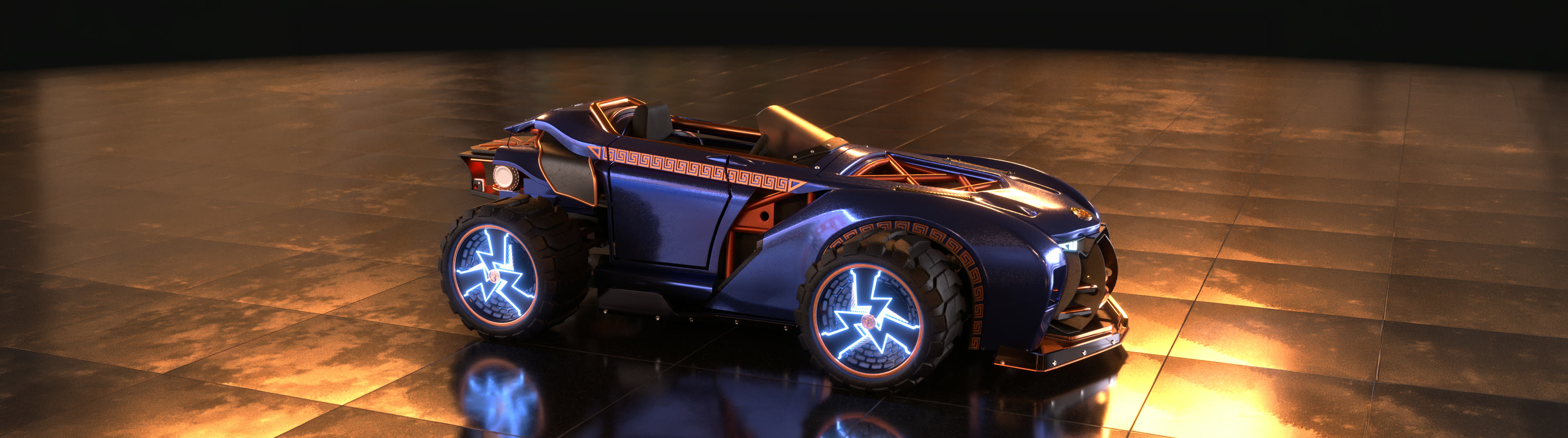
Hercules
At some point during the project, it was time to design a level inspired by the classic Steamboat Willie short film from Disney. We thought it would be a nice touch if a specific part of the track had an area in color rather than fully black and white like the rest of the environment. It would create a nice contrast for the player and would help make things more dynamic. It quickly became one of the most iconic tracks in the entire game....
At some point during the project, it was time to design a level inspired by the classic Steamboat Willie short film from Disney. We thought it would be a nice touch if a specific part of the track had an area in color rather than fully black and
white like the rest of the environment. It would create a nice contrast for the player and would help make things more dynamic. It quickly became one of the most iconic tracks in the entire game.
Mickey’s Family
The obvious choice here was to focus on the classic look. It was similar to our approach for The Silver Screen environment, but adapted into a more versatile asset. However, we quickly realized that going too classic made it feel weak next to the rest of the roster. We focused heavily on integrating modern materials and details to keep it cohesive. It's easily one of my favorites, and certainly one of the most challenging....
The obvious choice here was to focus on the classic look. It was similar to our approach for The Silver Screen environment, but adapted into a more versatile asset. However, we quickly realized that going too classic made it feel weak next
to the rest of the roster. We focused heavily on integrating modern materials and details to keep it cohesive. It's easily one of my favorites, and certainly one of the most challenging.
Pirates
I went bolder with this one, aiming to capture the feel of the Black Pearl. The sharp front end and rear details translated seamlessly into simplified forms. The primary focus throughout was mastering the overall silhouette....
I went bolder with this one, aiming to capture the feel of the Black Pearl. The sharp front end and rear details translated seamlessly into simplified forms. The primary focus throughout was mastering the overall silhouette.
Beauty & The Beast
We quickly realized the best approach was sticking to our core workflow: Big, Medium, and Small forms. First, establishing a primary shape that evoked the IP. Next, secondary elements closely tied to iconic motifs. Finally, small details—like the wooden textures on Pirates or the glass on Beauty and the Beast. Even if subtle in-game, these details shone in cinematic close-ups and menu showcases....
We quickly realized the best approach was sticking to our core workflow: Big, Medium, and Small forms. First, establishing a primary shape that evoked the IP. Next, secondary elements closely tied to iconic motifs. Finally, small details—like the wooden textures on Pirates or the glass on Beauty and the Beast. Even if subtle in-game, these details shone in cinematic close-ups and menu showcases.
Mulan
Following Jack's direction, it was great fun shaping this car to evoke a dragon. The carbon fiber side paneling doubles as scales, pairing with sinuous, sweeping curves to give the silhouette a sharp, aggressive feel....
Following Jack's direction, it was great fun shaping this car to evoke a dragon. The carbon fiber side paneling doubles as scales, pairing with sinuous, sweeping curves to give the silhouette a sharp, aggressive feel.
Early Explorations
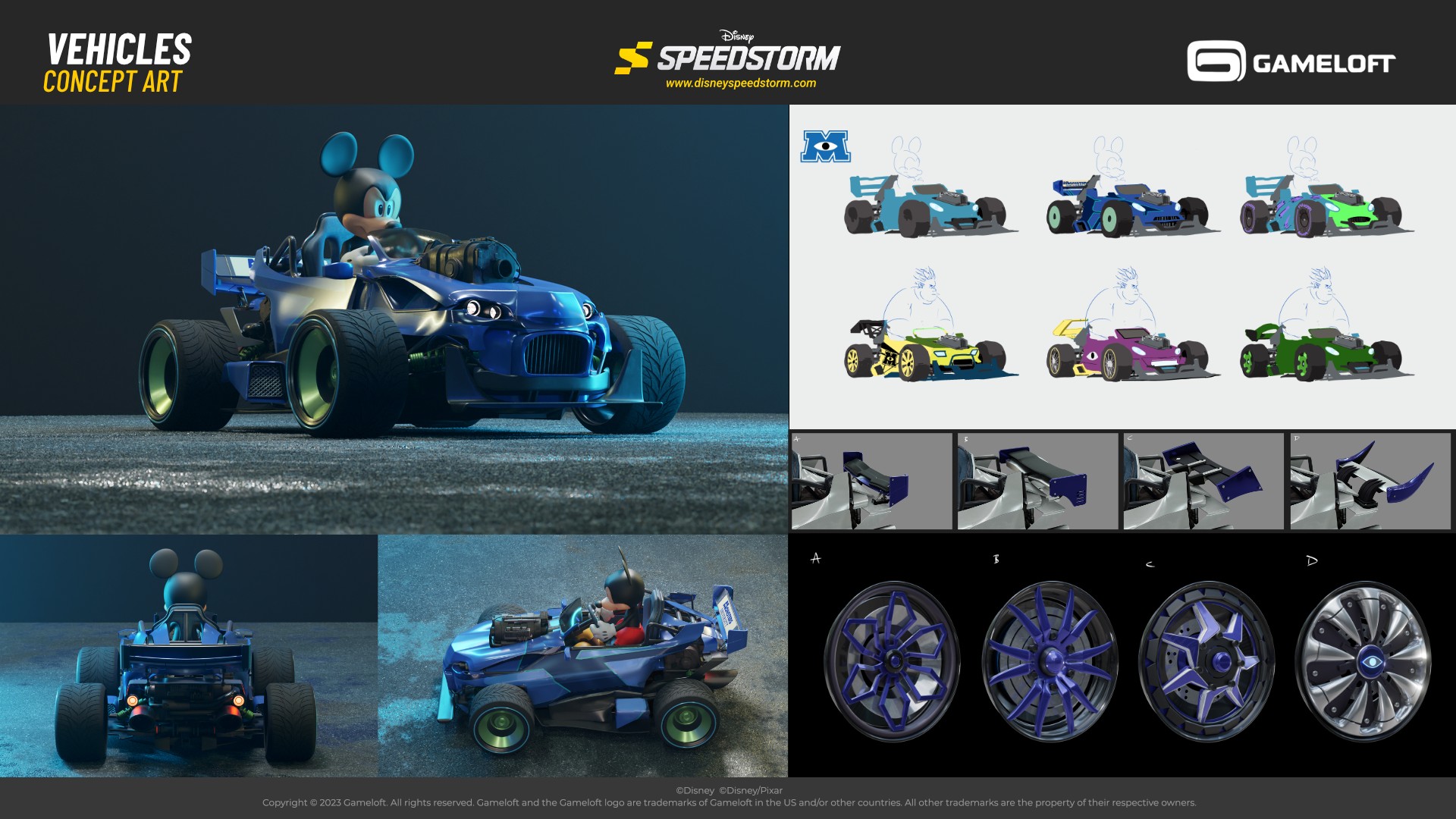
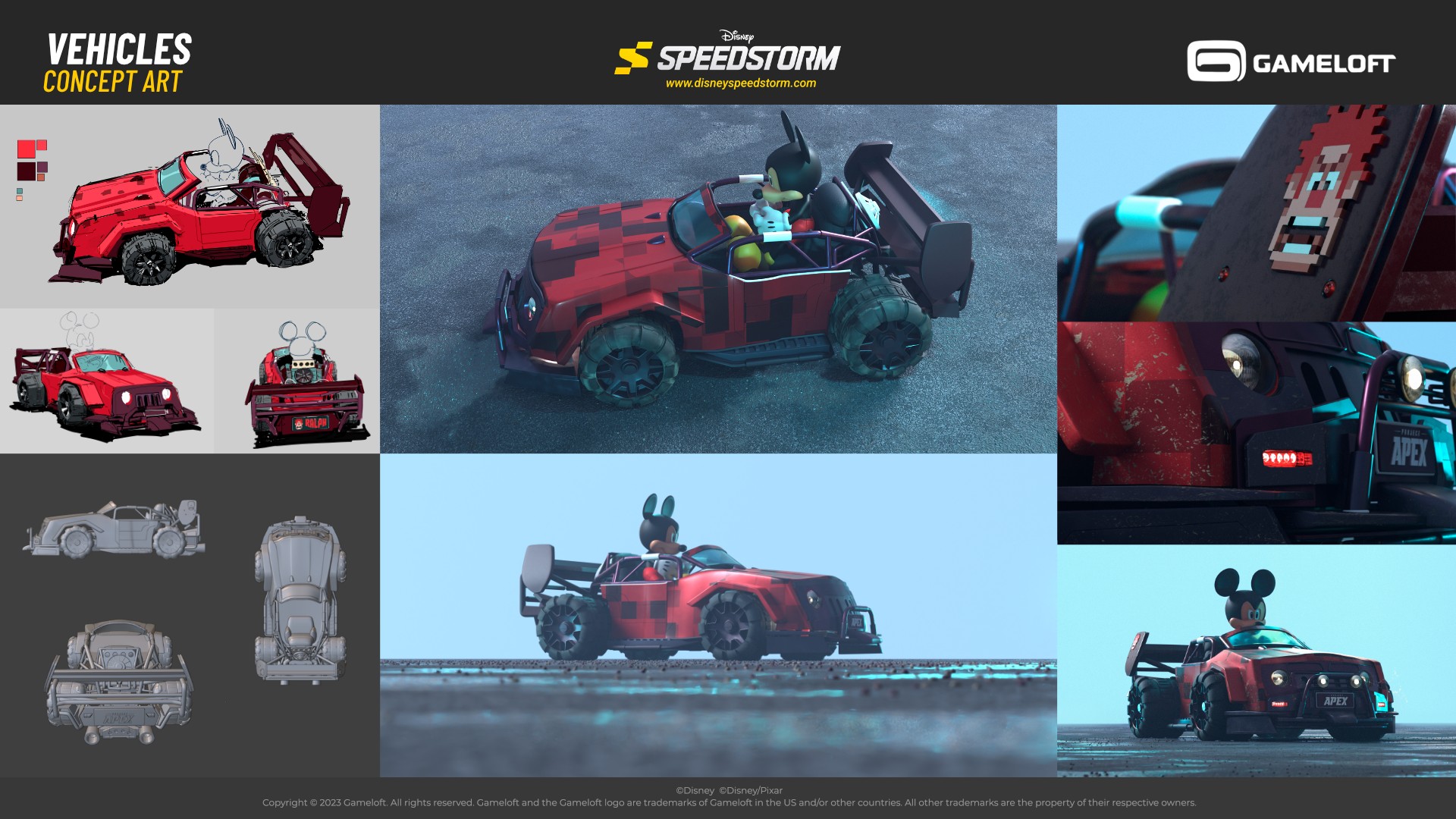
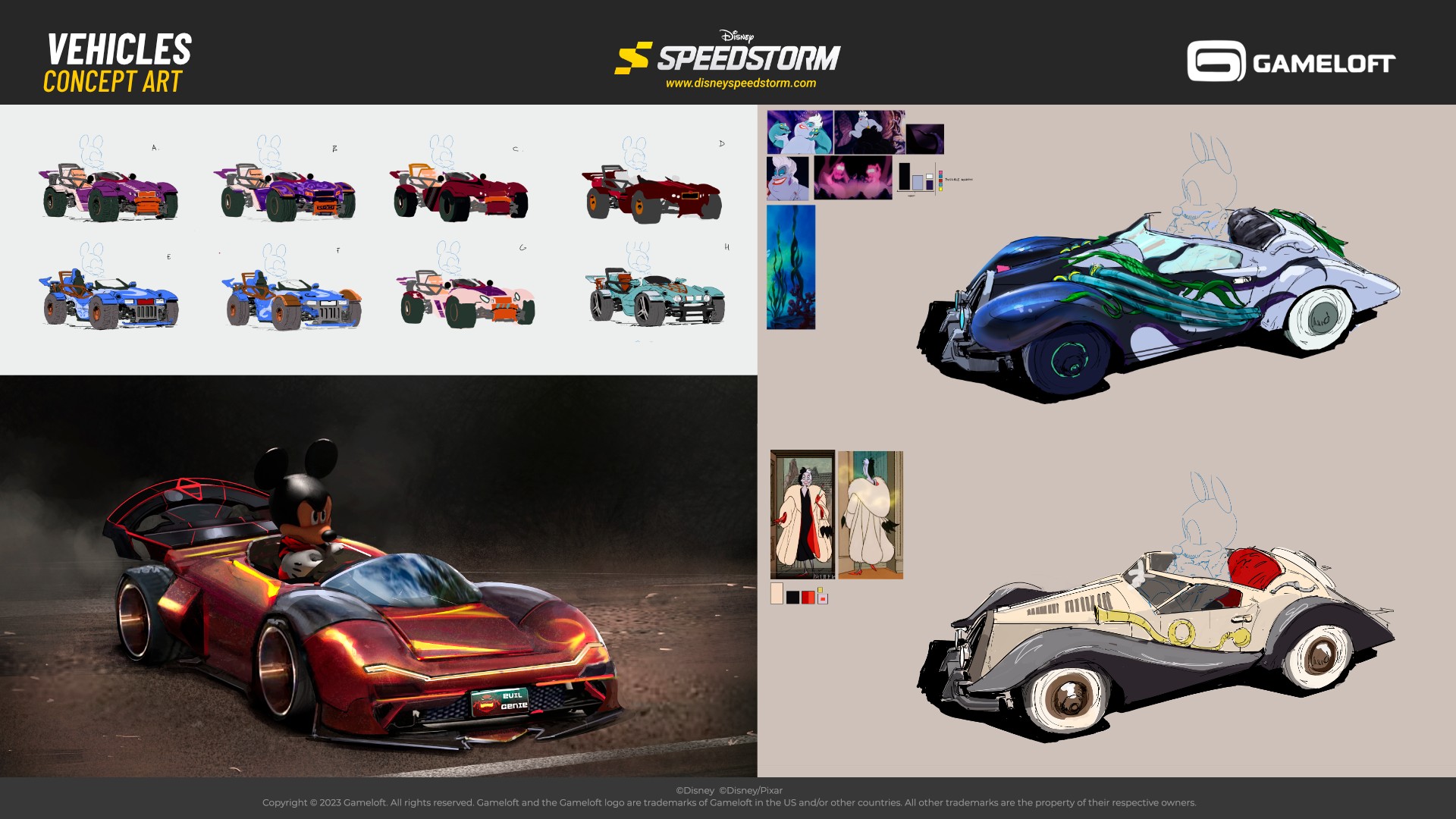
We started with a massive volume of thumbnails and quick sketches to lock in the visual direction. Early on, we realized that meeting a key goal—making the vehicles belong to our game world rather than feeling directly lifted from each IP—meant establishing our own core visual language first. IP references were then layer-driven through secondary and tertiary details, which also streamlined our pipeline for future IPs....
We started with a massive volume of thumbnails and quick sketches to lock in the visual direction. Early on, we realized that meeting a key goal—making the vehicles belong to our game world rather than feeling directly lifted from each IP—meant establishing our own core visual language first. IP references were then layer-driven through secondary and tertiary details, which also streamlined our pipeline for future IPs.
Race Assets
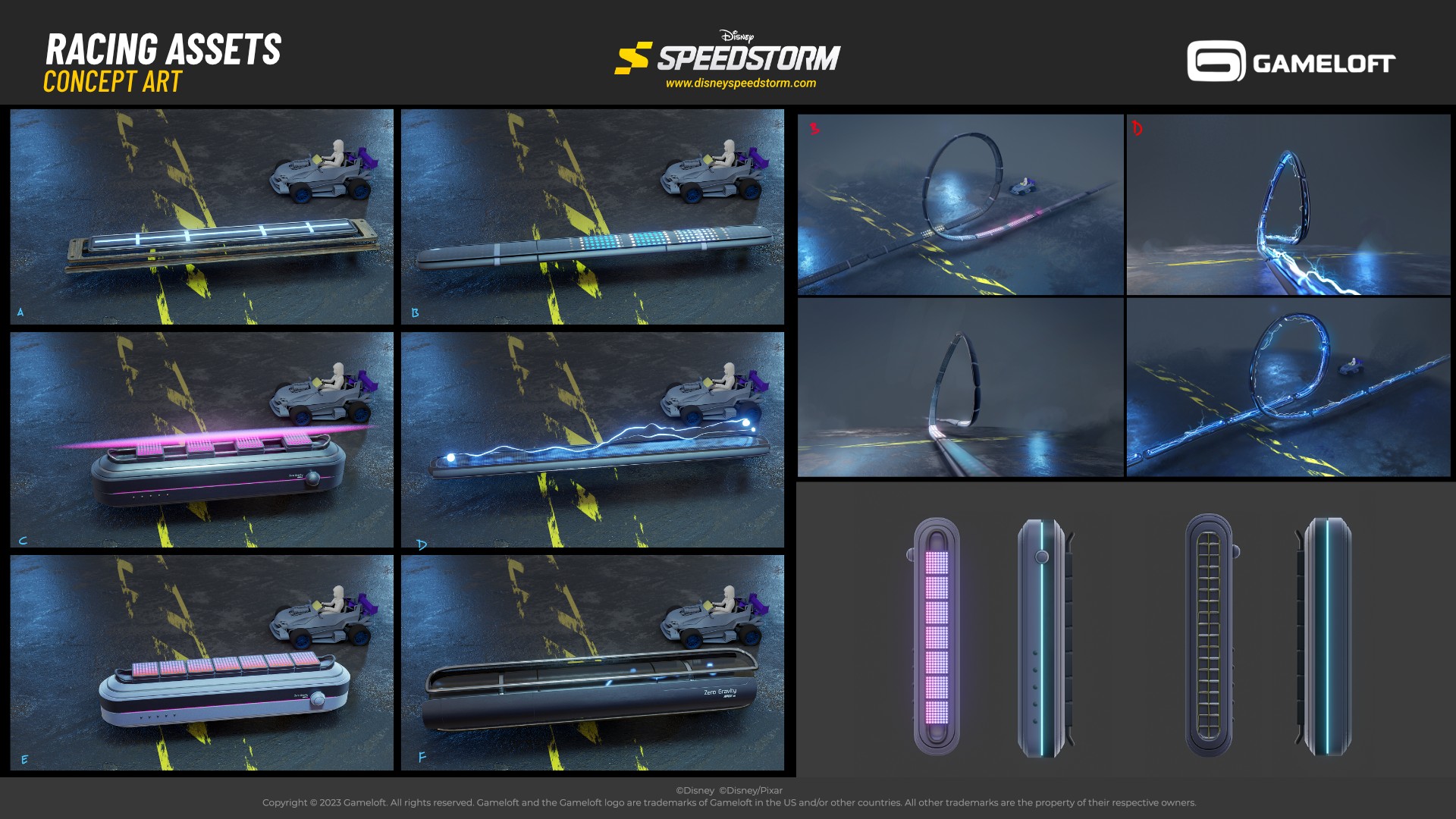
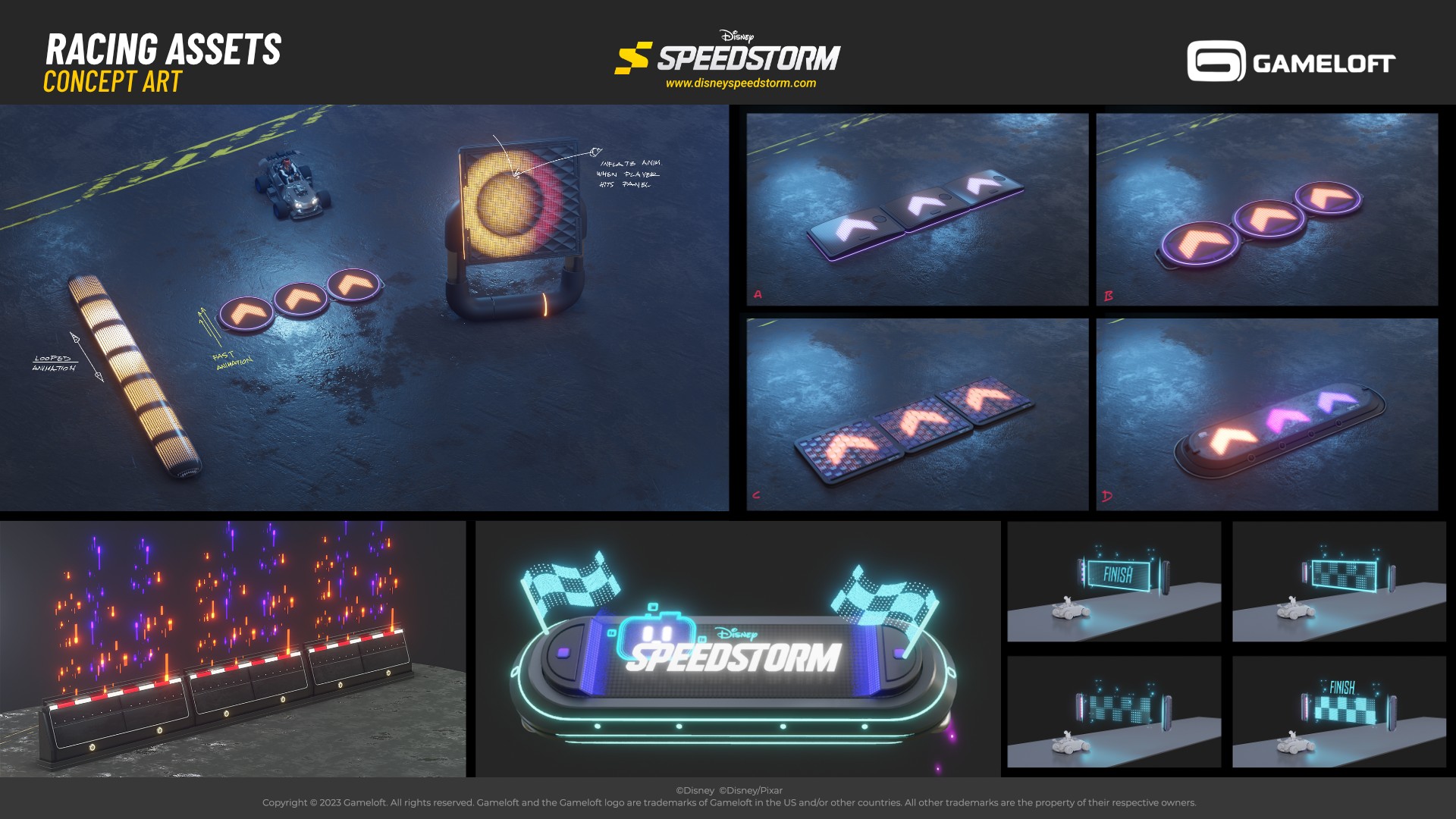
A major part of our design language was defining how in-race mechanics would look and behave. It was the perfect opportunity to flesh out the game's technical world-building rather than relying purely on magic, keeping the experience grounded and believable....
A major part of our design language was defining how in-race mechanics would look and behave. It was the perfect opportunity to flesh out the game's technical world-building rather than relying purely on magic, keeping the experience grounded and believable.
// Thanks for watching
